
Lower your internet bill
61% of people overpay for their internet.
Are you one of them?
Unlock exclusive offers in your area!
Call now
[tel]Enter zip code









 Use code: KALA & receive a $50 gift card with your order!
Are you happy with your Internet service?

About the author
If you bought your own cable modem to skip a monthly rental fee, the headlines about the FCC router ban probably made your stomach drop. The good news is your modem is still legal to use. The FCC ban on cable modems and routers applies to new device models that haven’t been approved yet. It does not reach into your living room and switch off the equipment you already own.
The ban does change some things for modem owners, especially if your device fails or you plan to upgrade in the next year or two. Let’s break down what the rule covers, which dates matter, how it affects Xfinity and Spectrum customers, and whether buying your own modem still makes sense in 2026.
Lower your internet bill
61% of people overpay for their internet.
Are you one of them?
Unlock exclusive offers in your area!
Call now
[tel]Enter zip code
No. If your modem is plugged in and working today, the FCC router ban does not stop you from using it. The FCC has stated that the rule does not restrict the continued use of devices consumers already bought. The rule also allows retailers to keep importing and selling models the FCC authorized before the ban took effect.
The ban blocks approval of new foreign-made models. Because nearly every consumer modem and router sold in the United States is made overseas, that restriction affects the whole market over time. Your current modem, though, falls into the protected group of previously authorized devices.
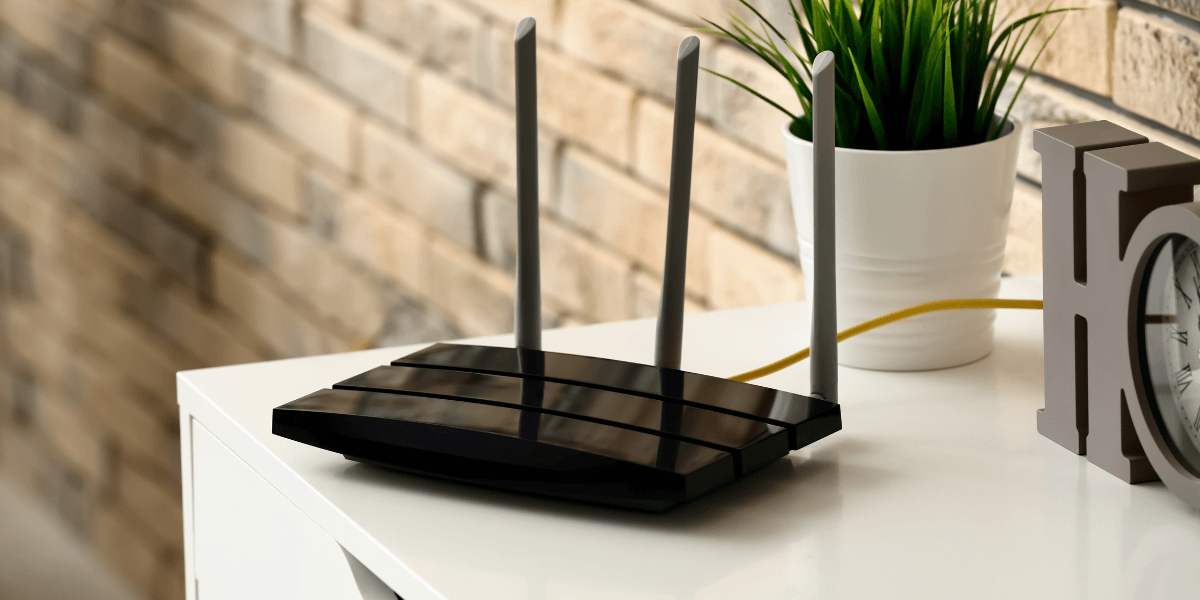
Are all routers banned?
On March 23, 2026, the FCC added consumer-grade routers produced abroad to its Covered List. The Covered List is the agency’s roster of communications equipment it considers an unacceptable national security risk. Equipment on that list cannot receive FCC authorization, which means new models cannot be imported, marketed, or sold in the United States.
The FCC defines “produced” broadly. A device counts as foreign-produced if a major stage of its manufacturing, assembly, design, or development happened outside the United States. That definition sweeps in brands headquartered in America that build their hardware in Asia.
There is one major exception. A manufacturer can apply to the Department of War or the Department of Homeland Security for Conditional Approval. Products that receive one can keep getting FCC authorizations. These approvals last up to 18 months, and applicants must submit supply-chain details along with a plan to move production to the United States.
The word “router” in the rule’s name is misleading for cable customers. The covered category includes Wi-Fi routers, extenders, gateways (modem and router combos), and standalone cable modems. If you own a basic modem with no Wi-Fi at all, it still belongs to the category the rule covers. This is why the FCC router ban modem question matters to so many people who never thought of their modem as a router.
Business-class and enterprise routers are exempt. Previously authorized consumer models are also exempt from the sales restriction, so stores can legally sell the modems already on their shelves and in their warehouses. The ban looks forward, not backward.
Several deadlines apply to this rule, and some have already moved. Knowing which ones apply to you will help you plan, not panic.
When the ban launched, the FCC issued a waiver allowing previously authorized routers and modems to keep receiving software and firmware updates until at least March 1, 2027. That date worried security experts because modems and routers that stop receiving patches become easier targets for hackers.
On May 8, 2026, the FCC’s Office of Engineering and Technology extended that waiver to at least January 1, 2029. The extension also widened the kinds of software changes manufacturers can make. For you, this means your modem’s maker can keep sending security fixes for roughly two more years. If you see an older article warning about a March 2027 cutoff, that information is out of date.
A handful of manufacturers have already secured Conditional Approvals that cover cable equipment specifically. Netgear’s approval, granted in April, names its CAX series cable gateways and CM series cable modems and runs through October 1, 2027. Hitron received approvals for several devices, including DOCSIS 4.0 and DOCSIS 3.1 gateways, an XGS-PON gateway, and fixed wireless gateways, good through December 18, 2027. Vantiva’s CWA438TX, a DOCSIS 3.1 modem with built-in voice support, is approved through January 8, 2028.
These approvals let those companies bring new models to market while they work on U.S. production. They don’t tell you anything about the safety of an older model you already own, and they don’t mean other brands are banned. Most brands are still selling previously authorized models while they apply.
Cable companies rent millions of modems and gateways to customers, so they pushed the FCC for early relief. That relief shapes what you can expect if you rent equipment or plan to switch back to renting.
NCTA, the trade group whose members include Comcast, Charter, and Cox, asked the FCC for help in June. Its members warned that a global memory chip shortage, driven largely by AI data center demand, would leave them unable to build approved devices unless suppliers could swap certain parts. Under normal rules, a manufacturer cannot change the components in a certified device without going back through approval.
On June 9, 2026, the FCC partially granted NCTA’s request. The waiver lets cable operators’ suppliers make limited hardware changes to covered modems, routers, and gateways, such as swapping memory modules. It runs until June 9, 2027. On September 23, the FCC partially granted similar waivers to CTIA and USTelecom, joining a group that already included AT&T, Arcadyan, Askey, NCTA, Sercomm, and Vantiva. ACA Connects and NTCA, which represent smaller cable companies and rural telcos, also received a waiver.
In practical terms, these waivers help keep rental equipment flowing. If your own modem dies, renting from your provider remains a reliable fallback.
If you use your own modem on Xfinity, nothing changes about your service today. Xfinity still allows customer-owned equipment, and the ban does not remove any device from Xfinity’s compatibility list. Before you buy a replacement, check Xfinity’s My Device Info page, which lists the modems approved for your speed tier. Xfinity removes devices from its list once a manufacturer stops supporting them, so a model that worked for your neighbor five years ago may not work for you now.
Your plan type matters too. In June 2025, Xfinity moved to everyday pricing plans that include the Xfinity WiFi Gateway and unlimited data in the monthly price. Customers on older plans typically pay $15 a month to rent the gateway, or $25 a month for xFi Complete, which bundles the gateway with unlimited data.
Spectrum handles equipment differently, and that changes the math. Spectrum includes a modem at no charge on every internet plan. It charges $10 a month for its Advanced WiFi router on lower-tier plans like Internet 100 and Internet 500, while its gig-level plans include the router.
Spectrum also lets customers use their own modems from its approved list. Plans at gig speeds require a modem rated for those speeds, so check the list before you buy. Because the modem itself is free, the main money question for Spectrum customers is the router, not the modem.
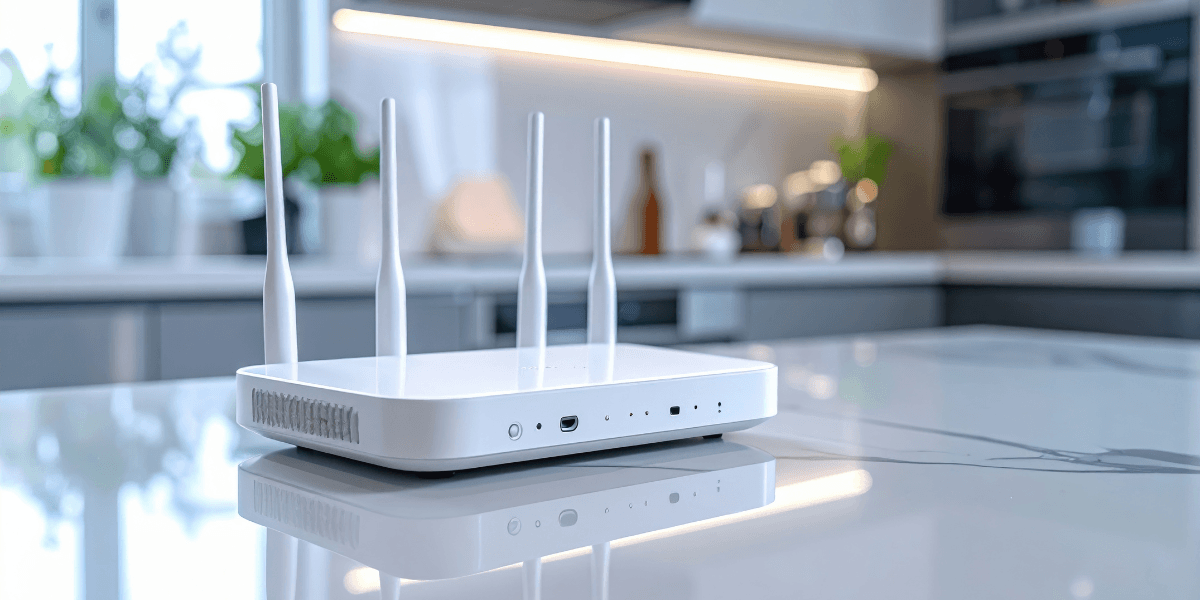
Are routers still sold?
Yes, you can still buy a cable modem in 2026. Retailers can legally sell any model the FCC authorized before March 23, 2026, and popular DOCSIS 3.1 modems from Arris SURFboard, Motorola, and Netgear remain widely available at major stores. Models such as the Arris SURFboard SB8200 and S33, the Motorola MB8611, and the Netgear CM1000 have appeared on Xfinity’s compatible device list. However, you should always confirm a specific model against your provider’s current list.
Expect to pay roughly $130 to $220 for a quality DOCSIS 3.1 modem. Prices could rise as existing inventory sells through and the memory shortage continues. Industry analysts warn that tight memory chip supplies will push up costs for cable modems and gateways.
The bigger long-term question is what replaces today’s models. New designs from companies without a Conditional Approval cannot reach store shelves. That could mean fewer choices in a year or two, especially for newer technology like DOCSIS 4.0. For now, though, buying your own modem in 2026 is still possible and legal.
This rule is still evolving, and several rulings could shift the picture for modem owners. NCTA filed a second, broader petition asking for flexibility to substitute like-for-like components in existing certified designs, including parts that are reaching end-of-life. The FCC has not ruled on it yet. If the agency grants it, cable companies would have an easier time keeping current rental models in production.
Other moving pieces include new Conditional Approvals, which the FCC continues to grant, and the expiration dates on existing ones. Netgear’s approval ends October 1, 2027, and the industry waivers for cable operators expire in June 2027. The FCC has not explained yet what happens when these approvals and waivers run out.
The FCC router ban is a good reason to revisit your internet service. Some providers now include equipment in the monthly price, while others still charge rental fees, making it worth owning your own modem. Fiber and fixed wireless providers also supply their own equipment, so you don’t have to shop for a cable modem. Enter your ZIP code below to see which providers and plans serve your address, and compare equipment costs before you decide whether to buy, rent, or switch.
Lower your internet bill
61% of people overpay for their internet.
Are you one of them?
Unlock exclusive offers in your area!
Call now
[tel]Enter zip code
Not anytime soon. The FCC extended its waiver so that previously authorized modems and routers can keep receiving software and firmware updates until at least January 1, 2029. Your manufacturer still decides how long to support each model, so check its support page to see whether your modem is still receiving updates. If your modem is several years old and no longer appears on your provider’s approved list, plan for a replacement on your own schedule rather than waiting for it to fail.
Yes. Stores can legally sell any modem model the FCC authorized before March 23, 2026, and major brands like Arris SURFboard, Motorola, and Netgear still offer DOCSIS 3.1 models. Netgear’s CM series cable modems also hold a Conditional Approval, which allows Netgear to release new models through October 2027. Always confirm that a modem appears on your provider’s approved list for your speed tier before you buy it.
Renting isn’t safer from a security standpoint, but it’s less hassle. Provider equipment receives updates directly from the cable company, and FCC waivers help providers keep their supply chains moving. If your plan includes equipment, like Spectrum’s free modem or Xfinity’s everyday pricing plans, renting costs you nothing extra and removes the replacement risk. If you pay a separate rental fee and plan to stay put, owning a modem from your provider’s approved list still saves money.
[2] JDSupra.com “FCC Expands its Covered List to Include Foreign-Produced Routers”
[3] JDSupra.com “FCC announces Covered List exemptions for certain routers and UAS”
[4] LightReading.com “CTIA, USTelecom get some broadband router ban relief”
[6] CEPro.com “FCC Extends Software Update Cutoff on Foreign-Made Routers Until 2029”
[7] LightReading.com “Hitron DOCSIS, PON and FWA gateways clear FCC’s router ban”
[8] LightReading.com “FCC exempts new Starlink devices from router ban”
[10] LightReading.com “Small, midsized cable operators and telcos get router relief”
[11] LightReading.com “NCTA seeks second exemption from FCC’s router ban”
[13] Forums.Xfinity.com “I am looking to replace my XFi Gateway with my own modem”
[14] Community.Netgear.com “Xfinity Full List of Compatible Devices”
Do you want to leave a review for AT&T Internet?
About the author

Infinity Sales Group, LLC