
Lower your internet bill
61% of people overpay for their internet.
Are you one of them?
Unlock exclusive offers in your area!
Call now
[tel]Enter zip code
Are you happy with your Internet service?

About the author
If you have been keeping an eye on internet industry news, you probably know that Amazon officially rebranded its long-in-development satellite project as Amazon Leo in November 2025, and that the service entered enterprise beta in April 2026, with a consumer launch targeted for mid-2026. That puts it on a direct collision course with Elon Musk’s Starlink, which has dominated the low Earth orbit (LEO) satellite internet market since its commercial debut in 2020.
For rural and underserved internet markets that rely solely on satellite, more competition in the satellite internet space could mean faster speeds, lower prices, and more choices when comparing internet providers near you. But what exactly is Amazon Leo? How does it stack up against Starlink, and should you wait for it or sign up for Starlink now?
61% of people overpay for their internet. Call now Enter zip codeLower your internet bill
Are you one of them?
Unlock exclusive offers in your area!
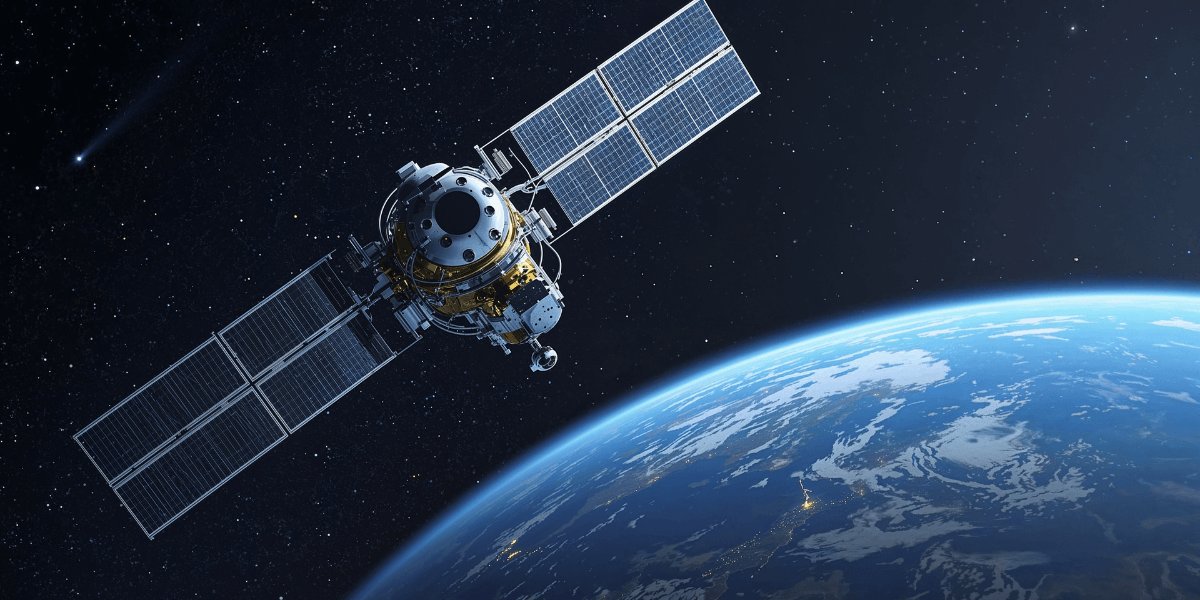
Amazon Leo, previously dubbed Project Kuiper, is Amazon’s LEO satellite broadband network. The service will bring fast, reliable internet to communities that existing networks (fiber and cable) don’t reach. Satellites orbit just 367 to 392 miles above Earth, far closer than the 22,000+ mile altitude of older geostationary satellite systems from providers like HughesNet and Viasat. That shorter distance is what gives LEO services like Amazon Leo and Starlink their much lower latency and higher speeds.
The constellation is set to include 3,236 satellites spread across three orbital shells. Amazon has deployed over 241 production satellites as of early April 2026, with a Federal Communications Commission requirement to have at least 1,618 in orbit by July 30, 2026. The company has applied for a two-year extension on that deadline and has contracted 22 additional launches to accelerate deployment. Launch partners include United Launch Alliance, Arianespace, Blue Origin, and even SpaceX.
Amazon offers three terminal tiers for different users: the Leo Nano (up to 100 Mbps), the Leo Pro (up to 400 Mbps, priced under $400), and the Leo Ultra (up to 1 Gbps, targeted at enterprise customers). That hardware lineup gives Leo flexibility across residential, small business, and enterprise use cases from day one.
Starlink is SpaceX’s satellite internet service, and as of 2026, it is the clear market leader. The constellation includes over 10,000 active satellites in low Earth orbit and serves over 4 million subscribers across more than 100 countries. Starlink launched commercially in late 2020, giving it a roughly five-year head start on Amazon Leo.
Starlink offers several residential plan tiers in the United States. The entry-level 100 Mbps plan runs about $55 per month; a 200 Mbps plan is available for around $80 per month; and the Residential MAX plan tops out at $130 per month, with speeds advertised up to 400 Mbps and top network priority. The standard equipment kit (the Standard 4 dish and router) typically costs around $349 upfront. No long-term contract is required, and customers can cancel at any time.
Real-world performance testing shows that typical Starlink residential customers average around 100 Mbps on downloads, with the MAX plan pushing 300 to 400 Mbps during off-peak hours. Latency hovers around 25 to 40 milliseconds, which is in the same general range as cable internet and makes the service genuinely viable for video calls, streaming, and even online gaming. That is a dramatic improvement over the 600ms-plus latency that plagued older geostationary satellite services.
A Head-to-Head Comparison
This is where Starlink has the clearest advantage right now. Starlink is widely available across the United States, Canada, and more than 100 countries. You can check availability by entering your zip code and potentially have a dish shipped to your door within days.
Amazon Leo is in a much earlier stage. The enterprise beta launched in April 2026 with partners including Verizon, AT&T, Vodafone, JetBlue, Delta, and NASA. Consumer availability is targeted for mid-2026, though exactly when residential customers can sign up depends on how quickly Amazon deploys additional satellites and expands coverage capacity.
If you need satellite internet service today, Starlink is currently the ready-to-go option.
Both services use LEO technology, so the underlying physics are similar. Amazon CEO Andy Jassy stated in his 2026 shareholder letter that Leo’s performance will be “about six to eight times better on uplink and two times better on downlink" compared to current alternatives, a statement widely interpreted as a direct shot at Starlink. The Leo Pro terminal is designed to deliver up to 400 Mbps download speeds, while the Leo Ultra delivers up to 1 Gbps for enterprise users. Amazon’s stated latency target is under 30 milliseconds.
Starlink’s advertised speeds range from 100 Mbps on the entry plan to 400 Mbps on the MAX tier, with real-world latency measured at around 25 to 40 ms. Until independent testing of Amazon Leo consumer service becomes available, it is hard to make a definitive comparison, but on paper, both services are targeting a similar performance tier for residential customers.
Starlink’s current plans run from $55 to $130 per month for residential service, with equipment costs around $349. Amazon has not released its final consumer pricing, but internal estimates and executive statements suggest a target of roughly $50 to $100 per month for residential service, with the Leo Pro terminal priced under $400. Amazon CEO Andy Jassy also hinted in his shareholder letter that Leo will “come at a lower cost than alternatives.”
The Starlink Standard dish measures roughly 12 inches wide and comes with a router, cables, and a power supply. The Gen 3 kits cost around $349 and are straightforward to self-install.
The Amazon Leo Pro terminal measures under 11 inches square, is expected to cost under $400, and communicates with satellites via optical inter-satellite links at speeds up to 100 Gbps. The smaller form factor could make installation slightly simpler, though we will not know the full installation experience until consumer hardware reaches customers.
This is where Amazon Leo’s competitive case gets most interesting, especially for business users. Because Leo is built on top of Amazon’s existing AWS infrastructure, enterprise customers can route satellite traffic directly into AWS data centers. For businesses already running workloads on AWS, this means reduced latency, stronger security alignment, and tighter integration between cloud services and connectivity. Use cases like edge computing, IoT fleet management, disaster recovery, and AI workloads all become more feasible when the satellite connection and the cloud platform are from the same provider.
Starlink does not offer this level of cloud integration. For pure residential users, the AWS angle may not matter much. For remote businesses, government agencies, maritime operators, or anyone running AWS-dependent infrastructure, it could be a compelling differentiator.

Which should you choose?
Starlink is the right call if you need reliable satellite internet today. With millions of active subscribers, years of real-world performance data, and wide availability across the U.S., it is a proven service. It is particularly well-suited for rural households, remote workers, small farms, and anyone in a location where cable or fiber internet plans are not on offer. The flexible no-contract pricing means you are not locked in if Amazon Leo becomes available in your area later this year.
If you are in an area with limited internet access and can afford to wait a few months, Amazon Leo is worth keeping on your radar. The pricing signals are promising, the hardware cost is competitive, and the AWS integration makes it a differentiated option for business users. Amazon has also put together an early roster of major enterprise and carrier partners that suggests the service will have real support infrastructure behind it at launch.
That said, it is important to be honest about what we still do not know. Amazon Leo is newer; the constellation deployment is still in progress, and independent consumer performance data does not exist. The history of satellite internet services is littered with ambitious promises and rocky early rollouts. Starlink itself had growing pains before it became the reliable service it is today.
Amazon Leo is shaping up to be the most serious challenger Starlink has faced since its launch. Both services use the same fundamental LEO technology, are targeting similar speed and latency benchmarks, and appear to be priced in a competitive range. The key differences are timing (Starlink is available now; Leo is rolling out through mid-2026), integration (Leo’s AWS backbone is a real enterprise advantage), and consumer experience data (Starlink has years of it; Leo has none yet).
Competition between Amazon Leo and Starlink is good news for anyone shopping for internet service. It puts pressure on both providers to keep prices in check and performance improving, which ultimately benefits customers comparing internet plans in rural and underserved areas.
The first step is knowing what internet service options are available where you live. Pricing, plan availability, and speeds vary significantly depending on your location.
Enter your zip code below to compare internet providers near you, see which internet plans are available in your area, and find the best internet service for your needs and budget.
61% of people overpay for their internet. Call now Enter zip codeLower your internet bill
Are you one of them?
Unlock exclusive offers in your area!
Is Amazon Leo available now?
No. Consumer availability is targeted for mid-2026. Residential customers can join the waitlist on Amazon’s website, but the service is not yet broadly available for home internet use.
How does Amazon Leo satellite internet compare to Starlink on price?
Starlink’s current residential plans range from $55 to $130 per month, with equipment costs around $349. Amazon has not released final consumer pricing for Leo, but executive statements suggest a target range of approximately $50 to $100 per month, with the Leo Pro terminal priced under $400. Amazon CEO Andy Jassy has indicated Leo will be priced competitively below current alternatives.
[1] AboutAmazon.com “What is Amazon Leo (formerly Project Kuiper)?"
[2] TheNextWeb.com “Amazon Leo targets mid-2026 commercial launch as enterprise beta goes live"
[3] SatelliteToday.com “Amazon CEO Targets Mid-2026 Launch for Amazon Leo Service"
[4] Engadget.com “Amazon’s satellite internet service is scheduled for mid-2026 availability"
[5] Technology.org “Amazon Leo (formerly Project Kuiper) Explained"
[6] OrbitalRadar.com “Starlink Internet Review: Speed, Coverage, Pricing and Performance 2026"
[7] NewSpaceTracker.com “Amazon Project Kuiper: Everything You Need to Know About the Starlink Competitor"
Do you want to leave a review for AT&T Internet?
About the author

Infinity Sales Group, LLC
5900 Broken Sound Pkwy NW,Boca Raton, FL 33487