
Lower your internet bill
61% of people overpay for their internet.
Are you one of them?
Unlock exclusive offers in your area!
Call now
[tel]Enter zip code
Are you happy with your Internet service?

About the author
When it comes to fixed wireless vs mobile broadband, fixed wireless internet is almost always faster, cheaper per GB, and more reliable than relying on your phone or a mobile hotspot for home use. But mobile broadband wins on flexibility — and for light users, it may be all you need.
Here’s how to figure out which option makes sense for your situation.
61% of people overpay for their internet.
Are you one of them?
Unlock exclusive offers in your area!
Call now
[tel]Enter zip code
At the technology level, fixed wireless and mobile broadband use the same cellular networks (4G LTE or 5G). The critical difference is how that connection is used.
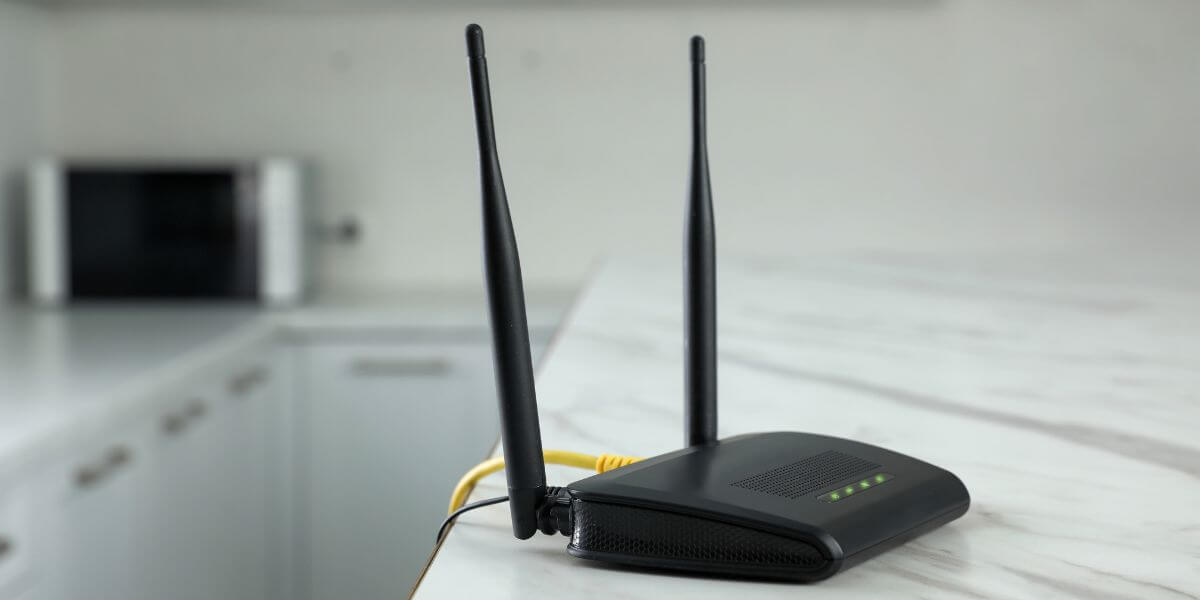
Fixed wireless internet uses a dedicated router or antenna installed at your home. Your provider knows your exact location, which lets them allocate network resources more efficiently, offer lower prices, and deliver more consistent speeds. The trade-off: the equipment stays put.
Mobile broadband — through your phone’s data plan, a dedicated hotspot device, or a portable 4G router — gives you internet anywhere you have a cell signal. That flexibility comes at a cost, both financially (mobile data is significantly more expensive per GB) and in terms of reliability.
A fixed wireless connection is like a reserved seat at a restaurant. A mobile connection is like showing up and hoping there’s a table.
How Has Fixed Wireless Internet Evolved?
Fixed wireless access (FWA) existed for years as a niche option for rural areas underserved by cable and DSL. The turning point came with the 5G rollout beginning around 2019–2020 [1]. By 2024, T-Mobile and Verizon had each surpassed 5 million fixed wireless subscribers in the U.S., which is a scale that would have seemed implausible just five years earlier.
The FCC’s 2024 Broadband Data Collection now tracks fixed wireless as a distinct broadband category [2], and industry analysts at CTIA project FWA subscriptions will keep growing through 2027 as 5G mid-band coverage expands into suburban and rural markets [3].
Cost is where fixed wireless pulls ahead most decisively. Here’s a realistic comparison:
| Option | Typical Monthly Cost | Data | Best For |
| 5G home internet (Verizon/T-Mobile) | $50–$60/mo. | Unlimited | Home users, households |
| Phone plan (hotspot use) | $60–$90/mo. | 15–50 GB hotspot data | Occasional use, travelers |
| Dedicated mobile hotspot plan | $50–$100/mo. | 15–100 GB | Remote workers, RV travelers |
| Portable 4G LTE router | $99–$220/mo. | Varies | Frequent travelers |
Pricing reflects major carrier plans as of early 2026. Availability varies by location.
The math matters. A household that streams video, joins video calls, and browses heavily can easily use 300–500 GB per month. At those volumes, a phone plan’s hotspot allotment runs out fast , and throttled speeds or overage charges make an already expensive option worse.

4G LTE Home Internet vs. Mobile Data: Which Performs Better?
For everyday household use, 4G LTE home internet outperforms mobile data on two key dimensions: consistency and data allowance.
Mobile networks handle millions of users in motion. When a tower gets congested — during peak usage hours (like evenings) or in heavily populated areas — mobile users experience speed drops or deprioritization. A fixed wireless customer is treated differently because their location is known and static, which means more predictable performance.
4G LTE home internet plans typically deliver 25–100 Mbps, which is enough for HD streaming and video calls. They’re not as fast as cable or fiber, but in rural areas where those options aren’t available, 4G home internet is often a meaningful upgrade over satellite or slow DSL. The FCC defines broadband as 25 Mbps download/3 Mbps upload [4], which is a threshold 4G home internet routinely meets.
5G home internet is where fixed wireless really shines. Verizon 5G Home advertises speeds up to 1,000 Mbps; T-Mobile Home Internet reaches up to 498 Mbps in many areas. Those are cable-tier speeds at $50–$60/month with no annual contract and no technician installation required.
Compare that to using your phone as a hotspot. Most unlimited phone plans throttle hotspot speeds after 15–50 GB, dropping to 600 Kbps–3 Mbps. That’s barely enough to load a webpage. Even before throttling, phone hotspots share your phone’s antenna and battery, degrading both performance and device longevity.
One important caveat: 5G home internet availability is still concentrated in city and suburban markets. Always verify 5G coverage at your specific address (not just your zip code) before switching.
When Does Mobile Broadband Make More Sense?
Fixed wireless isn’t the right answer for everyone. Mobile broadband wins in several scenarios:
The fastest way to compare internet providers and find the best internet plans at your address is to use an internet comparison tool. Internet prices and availability vary significantly by zip code… a plan that’s $50/month in one city may not be offered 20 miles away. When you compare internet plans, look beyond the headline price:
Use the zip code tool below to compare internet providers and see which fixed wireless, cable, fiber, or mobile options are available where you live.
61% of people overpay for their internet.
Are you one of them?
Unlock exclusive offers in your area!
Call now
[tel]Enter zip code
Yes — the terms are used interchangeably. Fixed wireless access (FWA), 4G LTE home internet, and 5G home internet all refer to home internet service delivered over cellular networks. The “fixed" part simply means the equipment stays at one address, as opposed to mobile broadband, which you carry with you.
For light users, yes — temporarily. But for households with multiple people streaming, gaming, or working from home, a phone plan’s hotspot data allotment typically runs out quickly, leading to throttled speeds or overage fees. A fixed wireless plan almost always provides a better experience at a lower long-term cost.
4G LTE home internet works anywhere there’s a cell signal, making it one of the more accessible options in rural areas underserved by cable and fiber. Providers like T-Mobile Home Internet have specifically targeted rural expansion. 5G home internet, however, remains largely limited to urban and suburban areas as of 2026.
T-Mobile Home Internet and Verizon 5G Home are the two dominant national providers, both offering plans starting around $50/month with no annual contract. Regional and rural providers also serve markets the major carriers don’t reach. The best option depends entirely on what’s available at your address — use the internet comparison tool above to see current offers in your area.
[1] Ookla. “U.S. – The Rise of 5G FWA & The Battle for Fixed Broadband Customers.”
Do you want to leave a review for AT&T Internet?
About the author

Infinity Sales Group, LLC
5900 Broken Sound Pkwy NW,Boca Raton, FL 33487